Finding a Paleo Bread Recipe that actually mimics the soft, springy elasticity of a traditional wheat loaf is the “holy grail” of grain-free baking. Most recipes result in a dense, brick-like texture or a bright yellow, eggy interior that feels more like a sponge than a slice of sourdough. This artisan version changes everything by utilizing a slow fermentation process to create visible airy bubbles and a creamy white crumb that will fool even the most dedicated gluten-lovers. Whether you are craving a sandwich or a thick slice of toast, this is the only grain-free bread you will ever need.
Why This Is The Best Paleo Bread Recipe You’ll Ever Bake
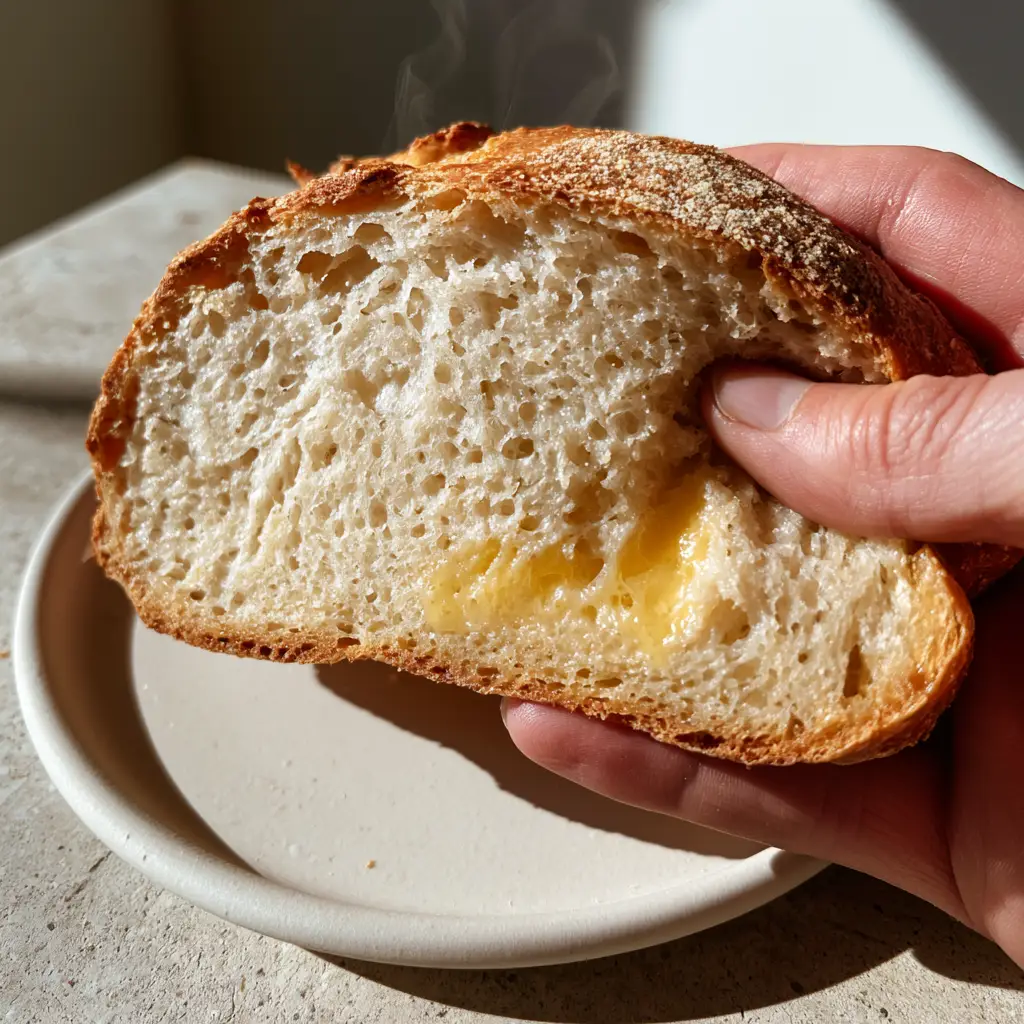
- Unmatched Elasticity: Unlike most crumbly gluten-free breads, this slice passes the “hand-squeeze test” by bouncing back immediately.
- Fermented Depth: The use of active dry yeast creates those signature small fermentation bubbles and a complex flavor profile.
- Visual Perfection: Features a golden-brown toasted crust with a professional dusting of almond flour for that bakery-style finish.
- No “Eggy” Tint: We use a specific ratio of egg whites to ensure the interior remains a beautiful creamy white rather than yellow.
- Perfect for Toasting: The crumb structure holds up perfectly under a melting pat of grass-fed butter.
If you’re looking for more ways to enjoy your grain-free lifestyle, try pairing this bread with our hearty paleo chicken dishes or use a thick slice to scoop up some dairy-free creamy spinach. It’s the ultimate vessel for flavor.
The Essential Grain-Free Pantry Staples
Success in grain-free baking is all about the chemistry of your ingredients. To achieve that airy white fermented crumb, we avoid heavy flours and stick to a blend that provides both structure and lift.
Super-Fine Almond Flour: This provides the bulk of the loaf. We also use a light dusting of almond flour on the top of the crust to create that rustic, artisan appearance. Use 2 cups (224g) of blanched almond flour.
Arrowroot Starch/Flour: This is the secret to the elastic bread texture. It provides the “stretch” that is usually missing in Paleo baking. You’ll need 1 cup (120g).
Active Dry Yeast: Even though this is Paleo, yeast is the key to the light steam and air bubbles seen in the visual blueprint. Ensure your water is exactly 110°F (43°C).
Egg Whites: Using mostly whites instead of whole eggs prevents the bread from turning yellow. This keeps the crumb creamy white and bright.
Apple Cider Vinegar: A small amount (1 tsp / 5ml) reacts with the leavening agents to ensure a high rise and a matte crust that isn’t sticky.
Grass-Fed Butter: While optional for the dough, a melting pat of yellow grass-fed butter pooled into the warm pores of the bread is the best way to serve this loaf.
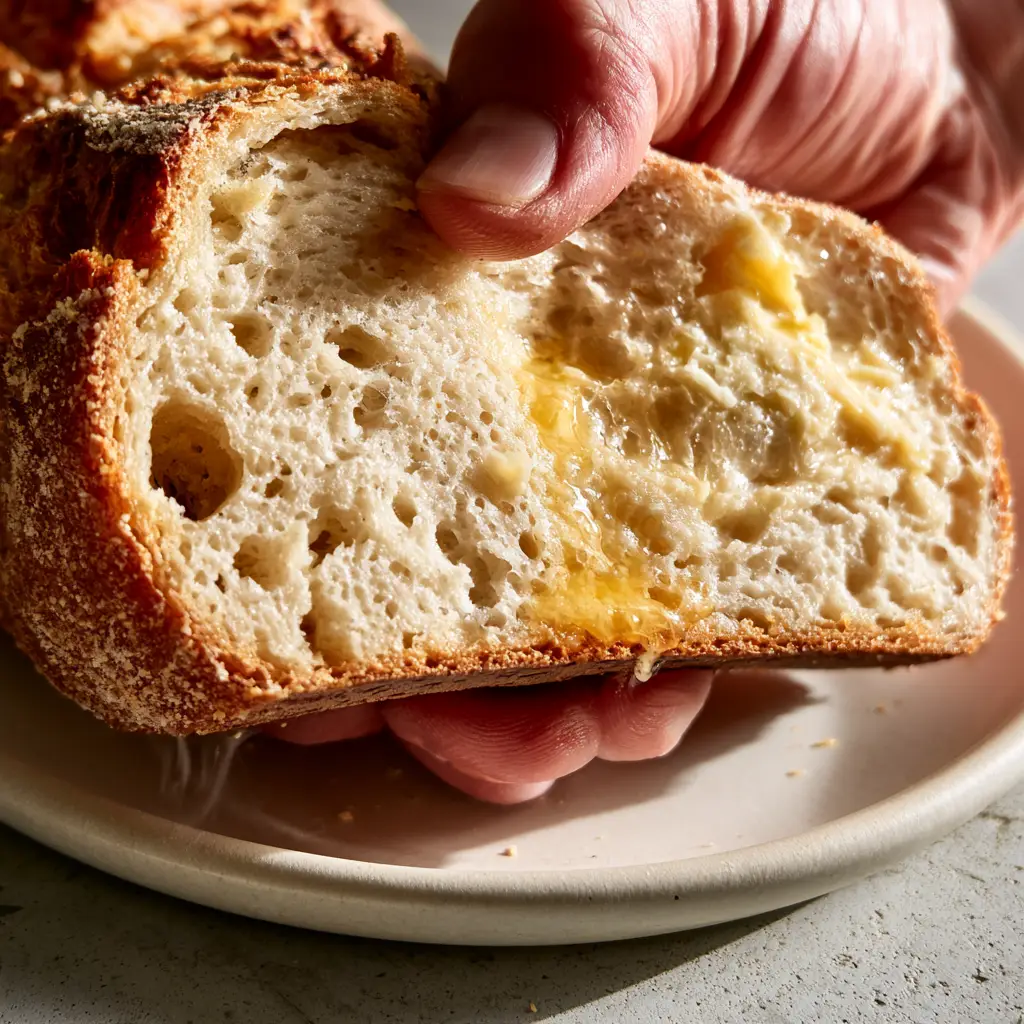
How to Achieve the Perfect Artisan Fermented Crumb
1. Activating the Yeast for Maximum Rise
Start by whisking 1 tablespoon (12g) of coconut sugar and 1 packet (7g) of active dry yeast into 3/4 cup (180ml) of warm water. Let it sit for 10 minutes until a thick foam forms on top. This is the foundation of the airy bubbles in your final Paleo Bread Recipe.
2. Mixing the Elastic Dough
In a large bowl, sift your almond flour and arrowroot. Slowly incorporate the yeast mixture, 3 large egg whites, and 1 tablespoon (15ml) of avocado oil. You will notice the dough is shaggier than wheat dough but holds a distinct springy elasticity when stirred.
3. The First Rise & Shaping
Transfer the dough to a parchment-lined tin. Cover with a warm, damp cloth and let it rise in a draft-free spot for 60-90 minutes. You are looking for the dough to double in size, creating those visible fermentation bubbles that define an artisan loaf.
4. The Signature Artisan Topping
Before sliding the loaf into the oven, use a fine-mesh sieve to apply a light dusting of almond flour over the top. This creates the matte crust and professional aesthetic seen on high-end matte ceramic plates.
5. Baking for the Golden-Brown Crust
Bake at 350°F (175°C) for 45-50 minutes. You will know it’s done when the golden-brown toasted crust sounds hollow when tapped. The internal temperature should reach 200°F (93°C) for the perfect creamy white crumb set.
Expert Tips for Bakery-Level Results
- The Squeeze Test: Don’t slice the bread while it’s hot! If you squeeze it too early, the steam will escape and the elastic bread texture will collapse into a gummy mess.
- Temperature Control: Ensure your egg whites are at room temperature. Cold eggs can shock the yeast and kill the rise.
- Humidity Matters: If you live in a dry climate, place a small pan of water at the bottom of the oven to create light steam, which helps the crust stay thin and crisp.
- Precision Weighing: Always use a kitchen scale. 1 cup of almond flour can vary by 20 grams depending on how it’s packed, which changes the crumb density.
What to Serve With Your Fresh Paleo Loaf
This bread is versatile enough for any meal. For a savory lunch, use it for a sandwich featuring our creamy keto chicken salad. For a high-protein breakfast, top a toasted slice with eggs and a side of sausage and vegetable bake.
If you are looking for a snack, a slice of this bread paired with other high-protein options will keep you full for hours. The soft, springy interior absorbs flavors beautifully, making it perfect for dipping into soups or stews.
Storage, Reheating & Freezing
Because this Paleo Bread Recipe lacks preservatives, it is best stored in the refrigerator for up to 5 days. To maintain the golden-brown toasted crust, always reheat slices in a toaster or air fryer rather than a microwave.
To Freeze: Slice the loaf completely before freezing. Place parchment paper between slices and store in a vacuum-sealed bag for up to 3 months. Toast directly from frozen for the best artisan slice experience.
Frequently Asked Questions
While you can use baking soda and cream of tartar, you will lose the signature fermentation bubbles and artisan flavor profile that makes this yeast-based version so authentic.
The secret is a light dusting of almond flour over the top of the dough immediately before baking, which creates a rustic, matte finish on the golden-brown crust.
Yes, arrowroot starch is vital for providing the springy elasticity and ‘pull’ of the bread. Without it, the almond flour crumb would be too crumbly.
Most paleo breads rely too heavily on whole eggs for lift. By using yeast and a higher ratio of egg whites to yolks, you achieve an airy, creamy white crumb rather than a dense, yellow sponge.
The Ultimate Grain-Free Artisan Bread
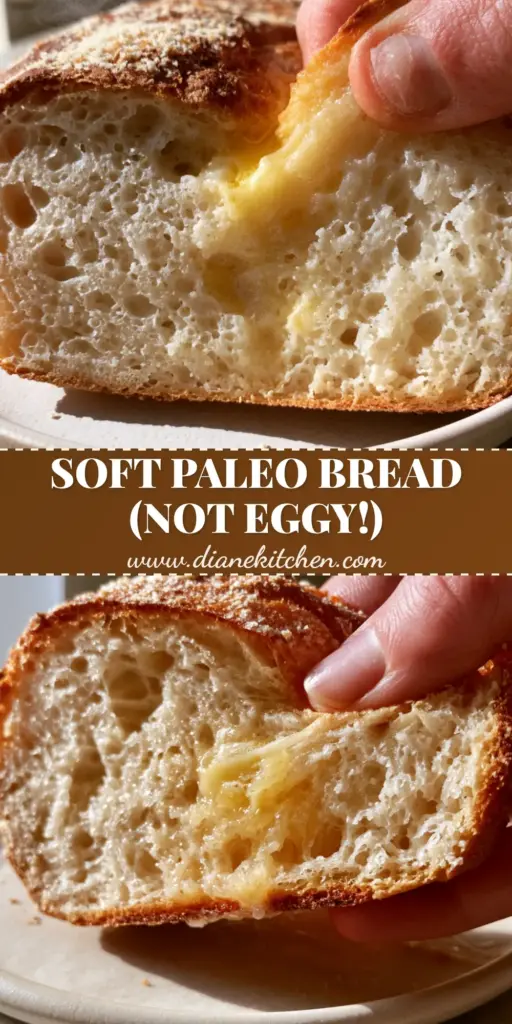
Paleo Bread Recipe: The Ultimate Airy Artisan Yeast Loaf
Ingredients
Equipment
Method
- Combine warm water, coconut sugar, and yeast. Let sit for 10 minutes until foamy.
- Whisk dry ingredients, then fold in egg whites and bloomed yeast until an elastic dough forms.
- Place dough in a lined loaf pan, cover, and let rise in a warm spot for 60-90 minutes until doubled.
- Dust with almond flour and bake at 350°F (175°C) for 45-50 minutes until the crust is golden-brown.
Notes
Use a serrated knife for the cleanest artisan slices.
Show Off Your Bake!
Did you achieve that perfect airy white fermented crumb? We want to see it! Save this Paleo Bread Recipe to your “Healthy Baking” board on Pinterest so you never lose it. Follow diane_kitchen_1 for more grain-free inspiration.
Please leave a 5-star rating in the recipe card below and upload a photo of your golden-brown loaf in the comments. Nothing makes us happier than seeing your hand-squeeze elasticity photos!