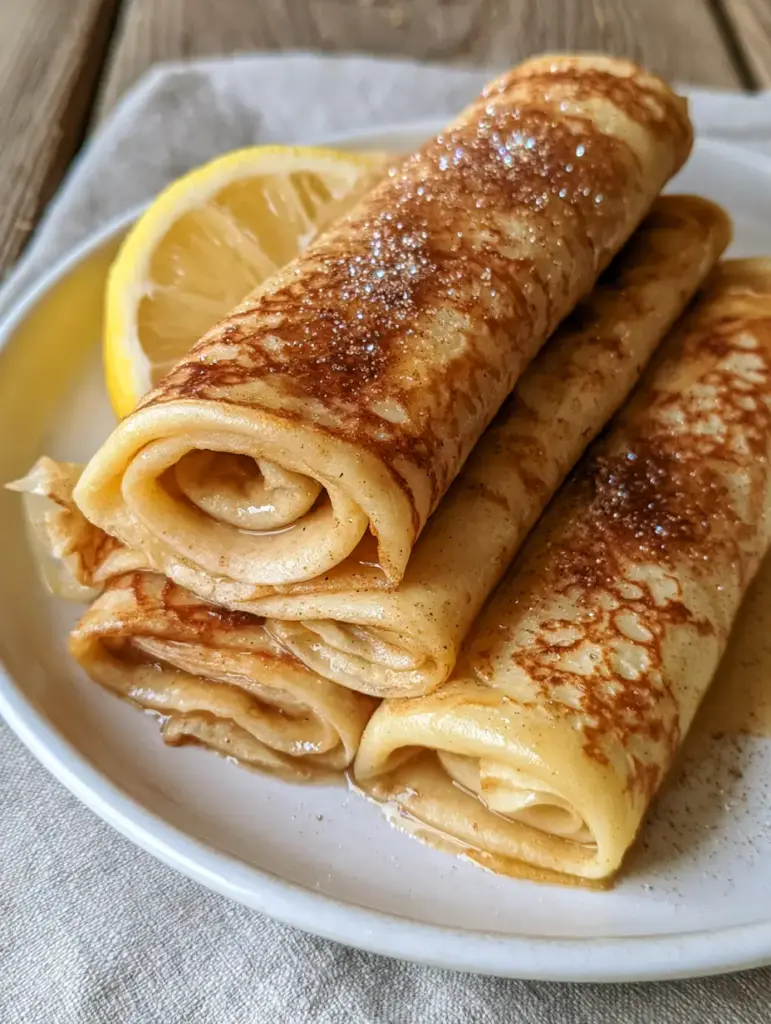
South African pancakes, known locally as “pannekoek,” are a culinary treasure that transcends the average breakfast crepe. Unlike thick, fluffy stacks, these authentic delights are paper-thin, silky, and characterized by their signature golden-brown lacy spots. If you have been searching for a recipe that perfectly balances a moist, tender texture with a glistening cinnamon sugar finish, you have arrived at the definitive guide. Every bite of these South African pancakes offers a nostalgic journey to rainy-day markets in Cape Town, where the aroma of melting sugar and fresh lemon fills the air.
While many are familiar with classic-pancakes found in American diners, the South African version is a delicate art form. The secret lies in the batter’s consistency and the high-heat searing that creates those beautiful, intricate charred patterns. Whether you are hosting a sophisticated brunch or looking for a comforting dessert, this recipe ensures professional results every time. These rolls are flexible, moist, and designed to be enjoyed with a generous squeeze of fresh lemon juice that cuts through the sweetness of the fine granulated sugar crystals.
Why These Authentic South African Pancakes Are a Pinterest Sensation
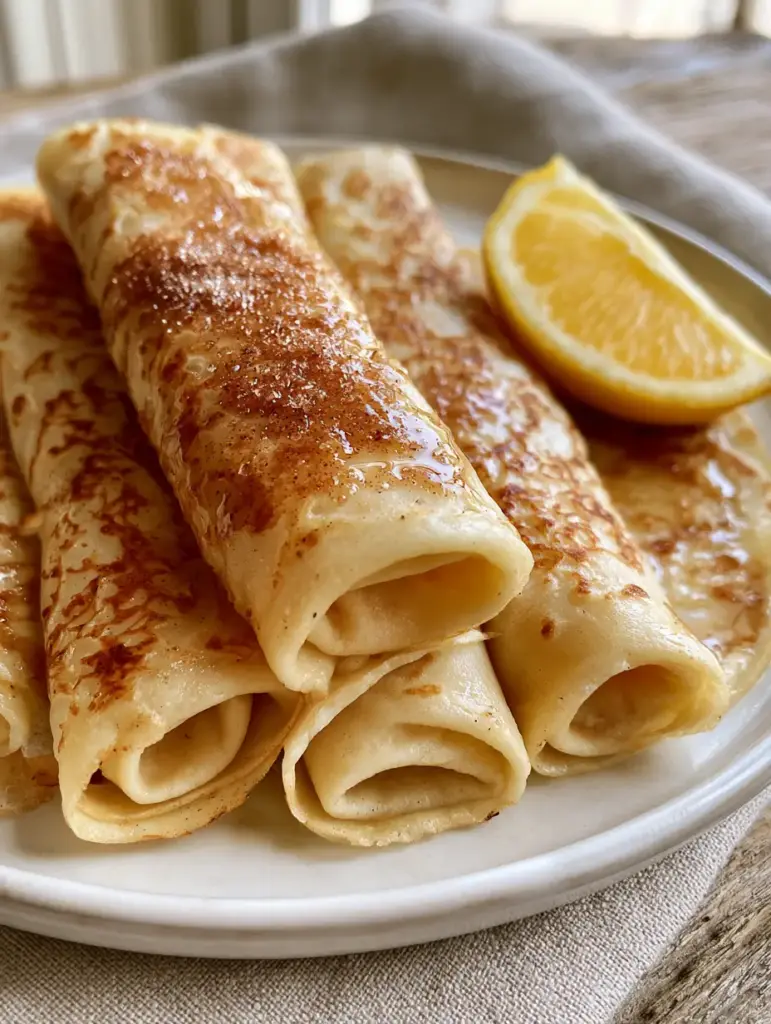
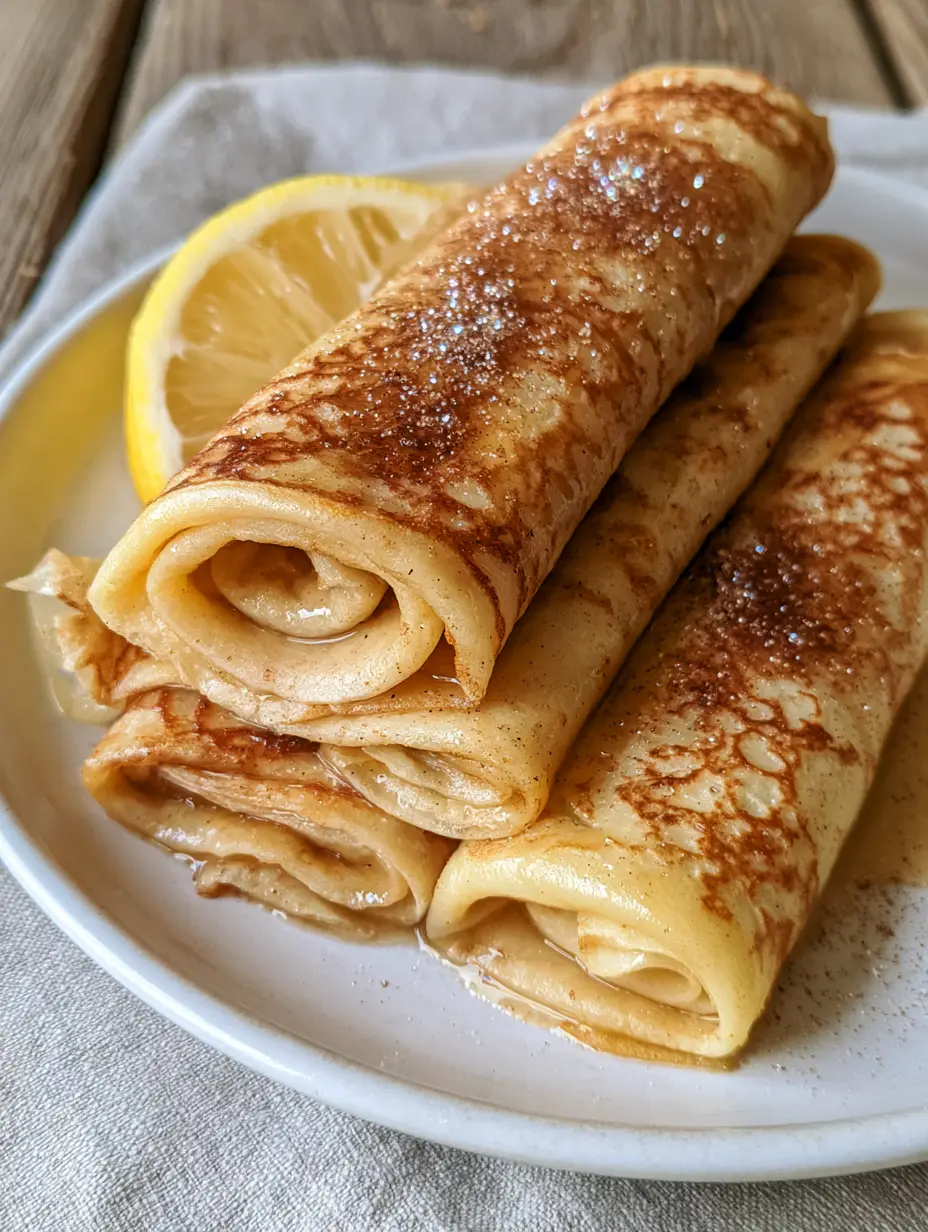
- Delicate Lace Texture: The high-heat technique creates stunning, light-brown lacy spots that look incredible in photos and provide a slight crispness to the edges.
- The “Glisten” Factor: Our specific rolling method traps heat, creating a melted cinnamon sugar glaze that makes these pancakes shine on the plate.
- Handheld Perfection: Expertly rolled into tight, delicate cylinders, these are the ultimate elegant finger food for brunch lovers.
- Dual-Unit Precision: No more guessing measurements; we provide Imperial (Metric) dual-unit formatting for global accuracy.
- Pantry-Friendly: Made with foundational staples, you likely have everything you need in your kitchen right now.
Essential Ingredients for Silkier Pannekoek
To achieve the forensic visual accuracy of a true South African pancake, you need specific ingredients that interact to create that flexible, non-rubbery crumb. Unlike a heavy cheeseburger-bombs style dough, this batter must be fluid and light.
The Dry Components
All-Purpose Flour (250g / 2 cups): Provides the structural foundation. Sifting the flour is non-negotiable to ensure a lump-free, silky batter that spreads thinly across the pan.
Baking Powder (5ml / 1 tsp): This is the secret to the lacy spots. It creates tiny air bubbles that pop upon contact with the heat, forming the characteristic “lace” appearance.
Salt (pinch): A fundamental flavor enhancer that balances the sweetness of the cinnamon sugar topping.
The Liquid Base
Eggs (2 large): Act as the binding agent and provide the golden hue seen in our visual blueprint. They add richness and flexibility to the crepe.
Whole Milk (480ml / 2 cups): Adds fat and protein for a tender mouthfeel. For a lighter version, you could pair this meal with one of our breakfast-smoothie-recipes for a balanced morning.
Water (240ml / 1 cup): The addition of water is what separates a pancake from a crepe. It thins the batter enough to create that paper-thin, translucent quality.
Vegetable Oil (30ml / 2 tbsp): Added directly into the batter to ensure the pancakes remain moist and flexible even after they have cooled slightly.
Fresh Lemon Juice (5ml / 1 tsp): A dash of acid in the batter relaxes the gluten, ensuring the pancakes aren’t tough or chewy.
How to Master South African Pancakes Step-by-Step
Creating the perfect stack of four traditional South African pannekoek requires a blend of patience and high-heat precision. Follow these steps to replicate the handheld smartphone photo aesthetic of a professional chef.
Step 1: The Silky Batter Whisk
In a large mixing bowl, sift your flour and baking powder together. In a separate jug, whisk the eggs, milk, water, oil, and lemon juice until fully emulsified. Slow and steady is the key here. Gradually pour the liquid into the dry ingredients, whisking constantly from the center outward.
Visual Cue: The batter should have the consistency of heavy cream—thin enough to run off the whisk easily but thick enough to coat a spoon lightly. Let the batter rest for at least 30 minutes. This is critical for South African pancakes; it allows the bubbles to settle and the gluten to relax.
Step 2: The High-Heat Sear
Heat a non-stick skillet or a traditional crepe pan over medium-high heat. Add a tiny drop of oil or a small knob of butter, wiping most of it away with a paper towel. You want a hot, lightly greased surface, not a deep-fry environment.
Sensory Cue: When you pour a ladle of batter (about 60ml / 1/4 cup) into the pan, it should sizzle immediately. Swirl the pan quickly to cover the entire base. Look for those tiny bubbles forming—that is your lace in the making!
Step 3: Flipping for Lace
Cook for about 60-90 seconds until the edges start to lift and the bottom is covered in light-brown lacy charred spots. Flip the pancake with a thin spatula. The second side only needs about 30 seconds. It should remain pale golden with darker speckles.
Step 4: The Cinnamon Sugar Infusion
This is where the magic happens. Immediately move the pancake to a plate. While it is piping hot, sprinkle a generous tablespoon of cinnamon sugar (a mix of granulated sugar and ground cinnamon) over the entire surface. Squeeze a few fresh lemon juice droplets over the sugar.
Culinary Science: The residual heat from the pancake melts the sugar into a wet glaze, which is the hallmark of authentic South African pancakes.
Step 5: The Tight Roll Technique
Roll the pancake tightly into a delicate cylinder. As you stack them, the heat from each new pancake continues to melt the sugar of the one below it, creating a collective moistness that is irresistible.
Expert Tips for Success
- The Resting Period: Never skip the 30-minute rest for the batter. This ensures your pancakes are flexible and don’t snap when you roll them.
- Temperature Control: If your pancakes are coming out rubbery, your pan isn’t hot enough. If they are burning before you can swirl the batter, it’s too hot. Look for that “sizzle” signal.
- The First Pancake Rule: In South Africa, we say the first pancake is for the cook (or the dog!). It’s usually a test for pan temperature and seasoning. Don’t be discouraged if the first one isn’t perfect.
- Fine Sugar Crystals: Use fine granulated sugar (caster sugar) rather than coarse sugar for a better melt-and-crunch ratio.
Storage, Reheating, and Freezing
If you happen to have leftovers—though rare—South African pancakes store surprisingly well. Place them in an airtight container with parchment paper between layers. They will stay fresh in the refrigerator for up to 3 days.
To Reheat: Place them in a microwave-covered dish for 30 seconds to restore the melted glaze, or quickly warm them in a dry pan over medium heat. Do not overcook, or they will become tough.
Freezing: You can freeze the un-sugared crepes for up to 2 months. Thaw completely before reheating and adding your fresh cinnamon sugar and lemon juice droplets.
What to Serve with South African Pancakes
While these are traditionally a standalone treat, you can elevate the experience. For a savory-to-sweet brunch progression, start with a light cucumber-caprese-skewers salad. The crisp acidity of the salad cleanses the palate for the rich, sugary pancakes. Alternatively, a side of fresh seasonal berries or a dollop of whipped cream can add a modern twist to this rustic classic.
Frequently Asked Questions
Yes! You can make the batter the night before and store it in the fridge. Just give it a gentle whisk before frying the next morning.
The ‘lace’ comes from the reaction of baking powder in a hot, lightly greased pan. Ensure your skillet is hot enough to sizzle immediately upon contact.
South African pancakes (pannekoek) often include a small amount of water and baking powder in the batter, which creates a lighter, ‘lacy’ texture compared to the denser, milk-only French crepe.
Rubbery pancakes usually result from not letting the batter rest for 30 minutes, or over-mixing the batter, which overdevelops the gluten.
The acidity of the lemon juice cuts through the sweetness of the sugar and helps dissolve the crystals into a wet, glistening glaze as the pancake stays warm.
The Authentic South African Pannekoek Recipe Card
South African Pancakes: The Ultimate Pannekoek Recipe
Ingredients
Equipment
Method
- Sift flour, salt, and baking powder into a bowl. In a separate jug, whisk eggs, milk, water, oil, and 1 tsp lemon juice. Gradually combine.
- Allow the batter to rest at room temperature for at least 30 minutes to relax the gluten.
- Heat a lightly greased skillet over medium-high heat. Pour in a thin layer of batter, swirling to cover. Cook until golden-brown lacy spots appear.
- Flip and cook the other side for 30 seconds until pale golden.
- Sprinkle the hot pancake with cinnamon sugar and a squeeze of lemon juice. Roll tightly into a cylinder.
Notes
Ensure the pan is hot enough to create lacy spots immediately.
Save This Recipe to Pinterest!
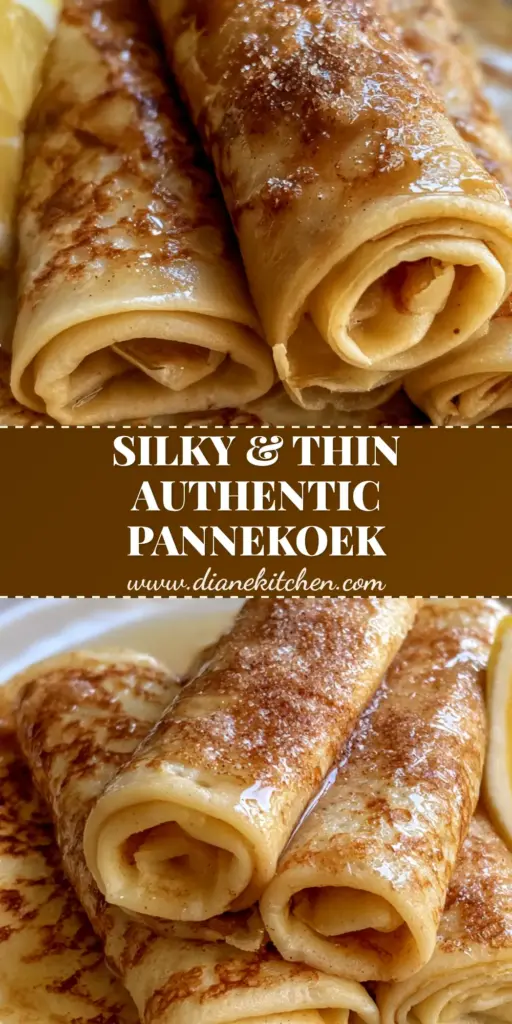
Do you love authentic global flavors? Save this South African pancakes recipe to your “Breakfast Ideas” or “Dessert Recipes” board on Pinterest! By pinning this, you help other home cooks discover the joy of traditional pannekoek. Don’t forget to follow diane_kitchen_1 for more viral recipes and culinary tips. If you make these, please share a photo in the comments and leave a 5-star rating below—we love seeing your lacy spots and golden rolls!