Pasta Salads are the quintessential dish of the summer season, offering a vibrant canvas for fresh produce and bold, zesty flavors. This specific Mediterranean-inspired version is designed to be the crown jewel of your next gathering, combining the structural integrity of al dente rotini with a garden’s worth of crisp vegetables. Every forkful delivers a harmonious balance of salty, tangy, and herbal notes that will keep your guests coming back for seconds.
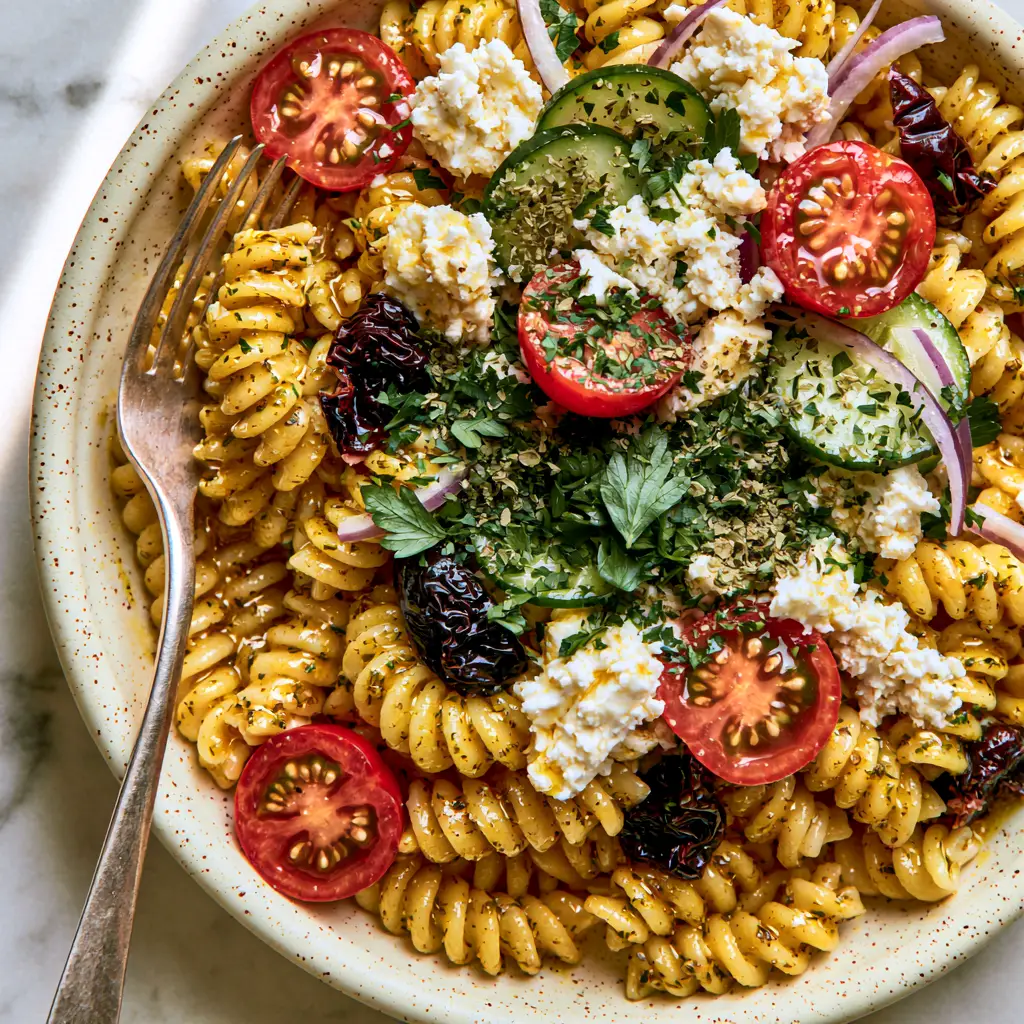
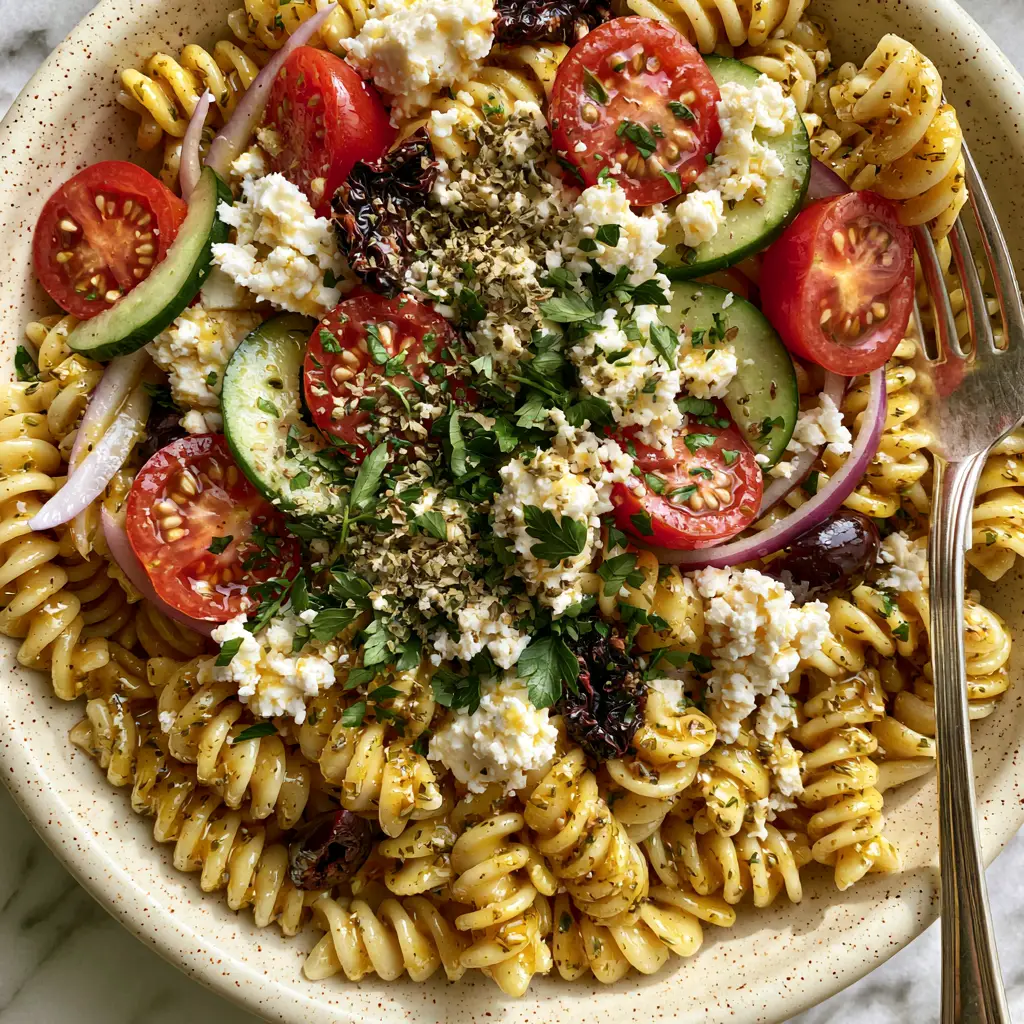
When you look at this dish, you are greeted by an explosion of color: the deep red of juicy cherry tomatoes, the bright green of Persian cucumbers, and the creamy white of chunky feta crumbles. The pasta itself glistens under a coating of golden, herb-flecked vinaigrette that pools slightly in the spirals of the rotini. It is a visual and culinary masterpiece that captures the essence of a high-quality, handheld smartphone photo taken in soft, natural window light.
Whether you are preparing this for a quick weekday lunch or a large outdoor gathering, the secret lies in the precision of the preparation. We are moving beyond the soggy, bland versions of the past and embracing a technique-driven approach that ensures every ingredient retains its texture and vibrance. Let’s dive into why this particular recipe stands out in the crowded world of Mediterranean sides.
Why This Mediterranean Rotini Masterpiece Works
- Textural Contrast: The combination of firm, al dente pasta with the “snap” of crisp cucumbers and the “pop” of halved cherry tomatoes creates a dynamic mouthfeel.
- Visual Vibrancy: Following our forensic visual blueprint, the contrast between the wrinkled black kalamata olives and the bright green flat-leaf parsley ensures a professional, blog-worthy presentation.
- Flavor Architecture: We use a foundational vinaigrette that emulsifies golden olive oil with sharp red wine vinegar, creating a coating that clings to every rotini spiral without pooling at the bottom.
- Balanced Salinity: The use of authentic, chunky white feta cheese provides creamy pockets of salt that balance the sharp bite of slivered red onions.
Essential Ingredients for the Perfect Mediterranean Pasta
1 lb (454g) Rotini Pasta: The corkscrew shape is non-negotiable here, as the spirals are scientifically designed to trap the herb-flecked vinaigrette and small bits of feta. Look for a high-quality bronze-cut pasta for a rougher surface that grips the sauce better than smooth varieties.
6 oz (170g) Creamy White Feta Cheese: Avoid the pre-crumbled variety if possible; buying a block in brine and crumbling it into “chunky” pieces yourself ensures a much moisture-rich, creamy texture. This cheese provides the essential “white crumbles” visible in the visual blueprint.
1 pint (285g) Cherry Tomatoes: These must be halved to reveal the juicy seeds and interior moisture. This not only looks beautiful but allows the tomato juices to mingle with the vinaigrette for a deeper flavor profile.
2 Persian Cucumbers (approx. 200g): Sliced into thin crescents, these provide the “crisp green” element. Persian cucumbers are preferred over English ones for their thinner skin and concentrated crunch.
1/2 small Red Onion (50g): Sliced into paper-thin slivers, the red onion provides a sharp architectural element and a pop of purple that cuts through the richness of the cheese.
1/2 cup (75g) Black Kalamata Olives: These should be wrinkled and halved. Their deep, briny flavor is the “anchor” of the Mediterranean profile, and their dark color provides a striking visual contrast against the pale pasta.
1/4 cup (10g) Fresh Flat-Leaf Parsley: Finely chopped, this herb provides a fresh, grassy finish that elevates the dried spices. It should be scattered generously over the top for that “freshly prepared” aesthetic.
The Golden Vinaigrette Base: You will need 1/2 cup (120ml) Extra Virgin Olive Oil, 1/4 cup (60ml) Red Wine Vinegar, 1 tsp (5g) Dijon mustard (as an emulsifier), and a pinch of sugar. These “invisible” ingredients are what create the “glistening” effect on the pasta.
Herbs and Seasonings: 1 tbsp (2g) dried oregano flakes and 1 tsp (2g) freshly cracked black pepper. The oregano flakes should be visible, dotting the pasta like tiny green jewels.
Necessary Culinary Tools for Visual Precision
To achieve the “overhead extreme close-up” quality seen in professional food photography, your tools matter. You will need a large 6-quart (5.7L) stockpot to cook the pasta in plenty of salted water, ensuring the rotini doesn’t stick together. A high-quality chef’s knife is essential for creating those “thin crisp crescents” of cucumber and “slivers” of red onion.
For the dressing, a small glass jar with a tight-fitting lid is the best way to emulsify your vinaigrette. Shaking the ingredients vigorously creates a “golden” and “herb-flecked” mixture that stays combined. Finally, a large speckled ceramic bowl, as mentioned in our visual prompt, provides the perfect neutral backdrop to make the colors of the vegetables pop.
The Science of Preparing the Perfect Pasta Base
Achieving the Ideal Al Dente Texture
The foundation of all great Pasta Salads is the texture of the grain. Bring a large pot of water to a rolling boil and add at least 2 tablespoons (35g) of kosher salt; the water should taste like the sea. Boil the rotini for exactly 1 minute less than the package instructions suggest.
Drain the pasta and immediately rinse it under cold running water. This “shocks” the starch, stopping the cooking process instantly and preventing the spirals from becoming mushy. This step is critical to achieving the “glistening and thoroughly coated” look without the pasta absorbing all the dressing and turning dry.
Building the Emulsified Herb Vinaigrette
In your glass jar, combine the olive oil, red wine vinegar, Dijon mustard, and a generous pinch of salt. Shake until the liquid turns a beautiful golden hue and thickens slightly. Add the dried oregano flakes and half of the cracked black pepper to the jar and shake again.
The Dijon mustard acts as a bridge between the oil and vinegar, ensuring the dressing doesn’t separate. This ensures that every spiral of the rotini is “thoroughly coated” in a uniform layer of flavor, just like the professional food blog aesthetic we are aiming for.
Assembly for Maximum Visual Impact
Combining the Core Elements
Place the cooled rotini in your speckled cream ceramic bowl. Pour three-quarters of the vinaigrette over the pasta and toss gently with large spoons. This initial coating ensures the pasta doesn’t stick together while you prep the remaining ingredients.
Add the halved cherry tomatoes, sliced cucumber crescents, and slivers of red onion. Toss again until the vegetables are distributed evenly. Notice the moisture on the vegetables; the soft side-lighting in your kitchen will catch these highlights, making the dish look incredibly fresh.
The Finishing Flourish
Gently fold in the chunky crumbles of feta cheese and the wrinkled kalamata olives. We add these last to prevent the feta from breaking down too much and clouding the vinaigrette. You want the white crumbles to remain distinct and “piled high.”
Finally, dust the entire dish with the finely chopped fresh parsley, the remaining dried oregano, and the rest of the cracked black pepper. This “generous dusting” adds layers of detail that make the dish look authentic and high-end. Tuck a silver fork into the side to mimic the “lifting a perfect bite” visual from our blueprint.
Chef’s Tips for Pasta Salad Success
- The “Warm Dressing” Secret: If you are serving this immediately, toss the pasta with half the dressing while it is still slightly warm to help the flavors penetrate, then add the rest after it has cooled.
- Onion Mellowing: If you find red onion too sharp, soak the slivers in ice water for 10 minutes before adding them to the salad. This keeps the “crisp” texture but removes the sulfurous bite.
- Feta Choice: Always choose sheep’s milk feta for the most authentic Mediterranean flavor and the creamiest “white crumble” visual.
- Herb Freshness: Only chop the parsley right before serving. Flat-leaf parsley can wilt and lose its “vibrant green” color if it sits in the acidic dressing for too long.
Storage and Make-Ahead Instructions
This Mediterranean rotini is an excellent candidate for meal prep. It can be stored in an airtight container in the refrigerator for up to 4 days. In fact, many find that Pasta Salads actually taste better on the second day as the flavors have more time to meld.
If the salad appears dry after being in the fridge, do not add more oil. Instead, add a splash of red wine vinegar or a squeeze of fresh lemon juice. This “wakes up” the existing oils and restores the glistening appearance without making the dish feel heavy or greasy.
What to Pair With Your Mediterranean Rotini
This dish is incredibly versatile. It serves as a hearty standalone lunch, but it truly shines when paired with other outdoor classics. If you are hosting a backyard barbecue, consider serving this alongside braai salads and sides for a complete spread of textures.
For those who love a variety of pasta textures at a picnic, this zesty Mediterranean version provides a great contrast to a creamy ranch pasta salad. If you want to lean further into the fresh vegetable theme, a side of crunchy cucumber chickpea feta salad adds even more protein and fiber to the meal. For a lighter summer vibe, check out our other refreshing summer pasta salad options.
Frequently Asked Questions
Yes! In fact, the flavors meld beautifully overnight. If the pasta absorbs too much dressing, simply add a splash of red wine vinegar and a drizzle of olive oil before serving to refresh it.
Cook the rotini for one minute less than the package instructions and rinse it immediately with cold water. This stops the cooking process and removes excess starch, keeping it firm and al dente.
When stored in an airtight container, this pasta salad will stay fresh and delicious for 3 to 4 days, making it ideal for meal prep lunches.
For the best result, use a combination. Dried oregano provides a concentrated floral base in the dressing, while fresh flat-leaf parsley added at the end provides a bright, grassy finish.
Rotini or Fusilli are best because their spiral shapes are specifically designed to trap vinaigrette, herbs, and small crumbles of feta cheese in every bite.
The Best Mediterranean Rotini Pasta Salad Recipe
Pasta Salads: The Ultimate Mediterranean Rotini Recipe
Ingredients
Equipment
Method
- Cook rotini in salted water for 1 minute less than package directions until al dente.
- Drain and rinse immediately with cold water to stop the cooking and remove excess starch.
- Combine olive oil, red wine vinegar, mustard, and spices in a jar and shake until golden and thick.
- Combine pasta and vegetables in a bowl with the dressing. Fold in feta and olives last.
- Scatter fresh parsley and extra oregano over the top before serving.
Notes
Use block feta crumbled by hand for the best texture and creamy visual.
Bring the Mediterranean to Your Kitchen
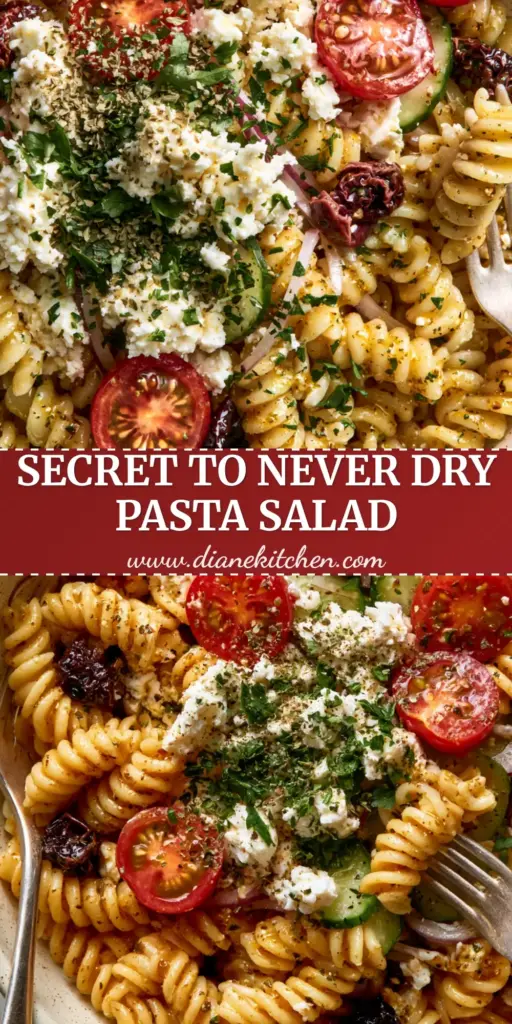
Making restaurant-quality Pasta Salads at home is all about the details—the al dente bite of the rotini, the snap of the Persian cucumbers, and that signature herb-flecked vinaigrette. This recipe isn’t just a side dish; it’s a vibrant, nutrient-dense celebration of Mediterranean flavors that works for every occasion.
We hope you enjoy the visual beauty and the robust flavors of this rotini masterpiece. If you make this recipe, please leave a comment below and let us know how it turned out! Don’t forget to share your creations and pin this recipe to your favorite boards on Pinterest so you always have it on hand for your next summer gathering.